
Projects and Inquiry

Projects and Inquiry

Learning by doing. Thinking by connecting. Acting with purpose.

Some of the most powerful learning begins with a question.

At Thinkers Valley, projects and inquiry are woven into learning from the earliest years. Children explore ideas, test their thinking, collaborate and gradually learn to take greater ownership of what they do.

For a young child, this might mean exploring how food can grow through hydroponics, designing and building something together or investigating a question about their surroundings. As students grow, they take on more complex challenges, from Jaipur’s history and sustainability to scientific investigation, design and issues affecting their community.

Building the capacity to learn

Projects develop curiosity, communication, collaboration, creativity, problem-solving, persistence and reflection from an early age.

Children learn to share ideas, make decisions, respond when things do not go to plan and try again. As they mature, they learn to plan, research, evaluate evidence and take increasing responsibility for their work. These capacities are developed alongside strong subject knowledge, not instead of it.
Connecting knowledge

The most interesting questions rarely belong to one subject.

Projects allow students to draw on different disciplines, seeing how mathematics, science, language, humanities, technology and the arts can work together to deepen understanding and solve problems. Teachers provide the academic structure and subject expertise that ensure projects remain rigorous, purposeful and grounded in knowledge.

Experiencing the real world

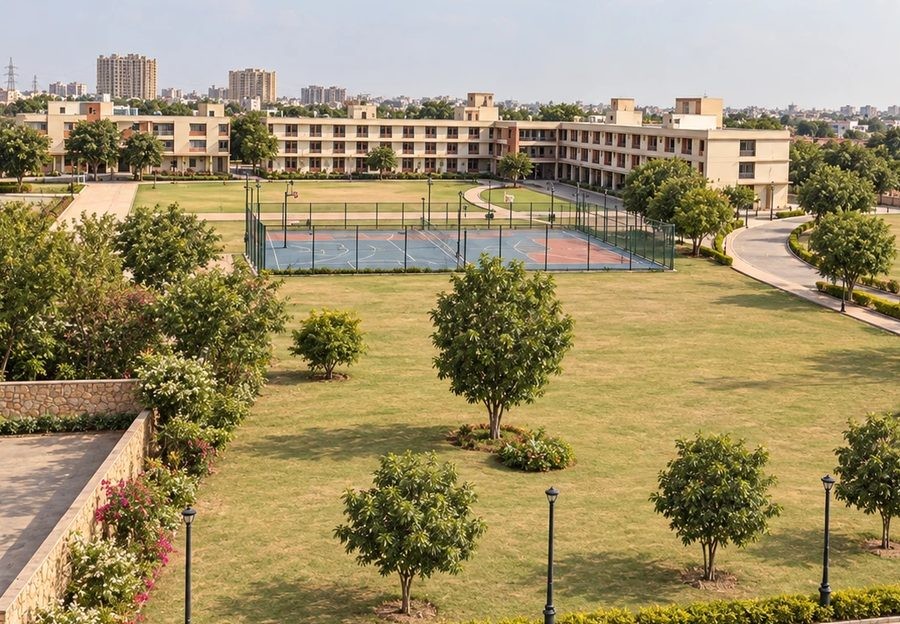
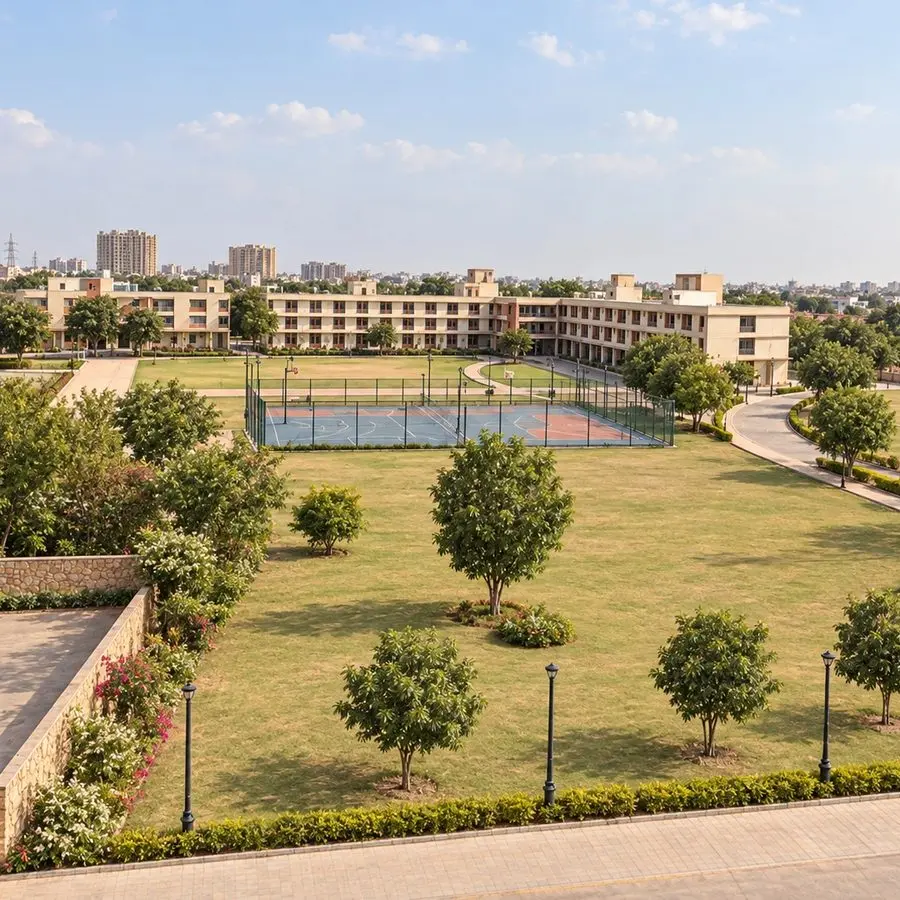
Learning extends beyond the classroom into our campus, Jaipur and the wider community.

Students encounter real materials, places, people and problems, using what they have learned in contexts that matter. Experiential learning gives them the opportunity to explore, apply, reflect and understand the relevance of their education.

Leadership and service

As students grow older, projects provide opportunities to lead, collaborate and contribute. They may undertake independent research, develop a social enterprise, lead a community initiative, create an exhibition or work with others to address a local challenge. Through these experiences, students begin to understand that learning carries responsibility, and that what they know and can do can have value beyond themselves.

We want students to leave knowing how to turn curiosity into understanding, ideas into action and learning into contribution.