The early years lay the foundations for how children see themselves, others and learning. At Thinkers’ Valley, we create a warm, purposeful environment where children feel they belong, are encouraged to explore and develop the confidence to become independent learners.
Learning happens through play, stories, conversation, making, movement, investigation and everyday experiences, building foundations for the capacities children will continue to develop as they grow.
The unique child
Every child brings their own personality, interests, questions and experiences. Our teachers observe, listen and respond, following children’s curiosity while introducing new ideas, language and challenge.
Through the Cambridge Early Years curriculum, children develop across six interconnected areas: Communication, Language and Literacy; Mathematics; Personal, Social and Emotional Development; Physical Development; Creative Expression; and Understanding the World. Learning happens through play, stories, conversation, making, movement, investigation and everyday experiences.
Positive relationships
Children learn best when they feel secure, valued and understood. We build warm relationships where children feel confident to express themselves, make choices, try new things and learn from mistakes.
Through shared experiences, children develop communication, emotional awareness, friendships, empathy and independence. Assessment is part of this process, with teachers observing children closely to understand their development, interests and next steps.
The environment
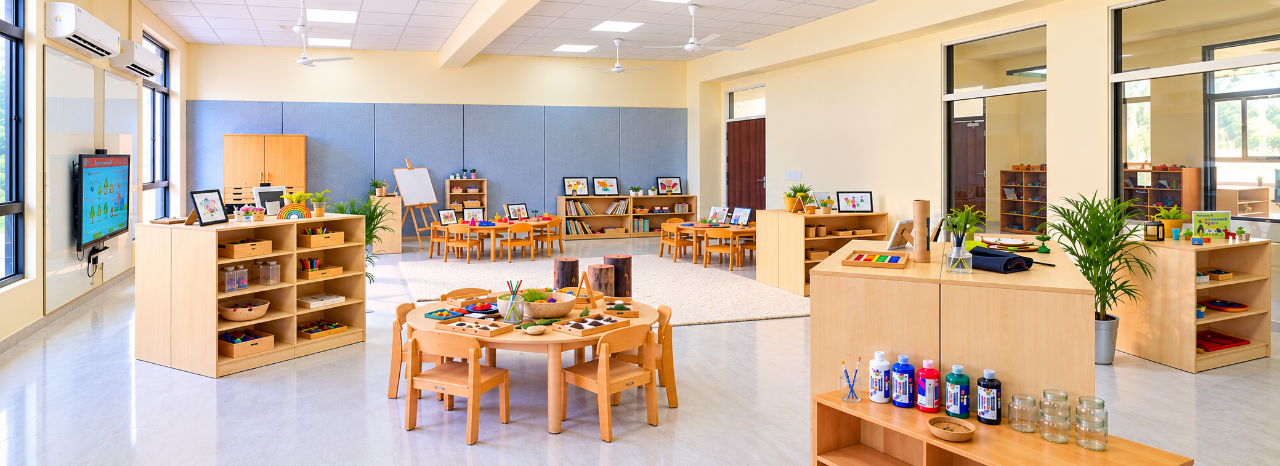
The environment is an important part of learning. Inspired by thoughtful traditions including Reggio Emilia, Montessori and Waldorf, our spaces are calm, purposeful and inviting, with natural and open-ended materials, books, creative areas, construction, sensory experiences and opportunities for movement and imaginative play.
Indoor and outdoor learning connect children with the natural world and help them explore people, places, living things, materials and technology. We want the environment to invite curiosity rather than prescribe how children should learn.
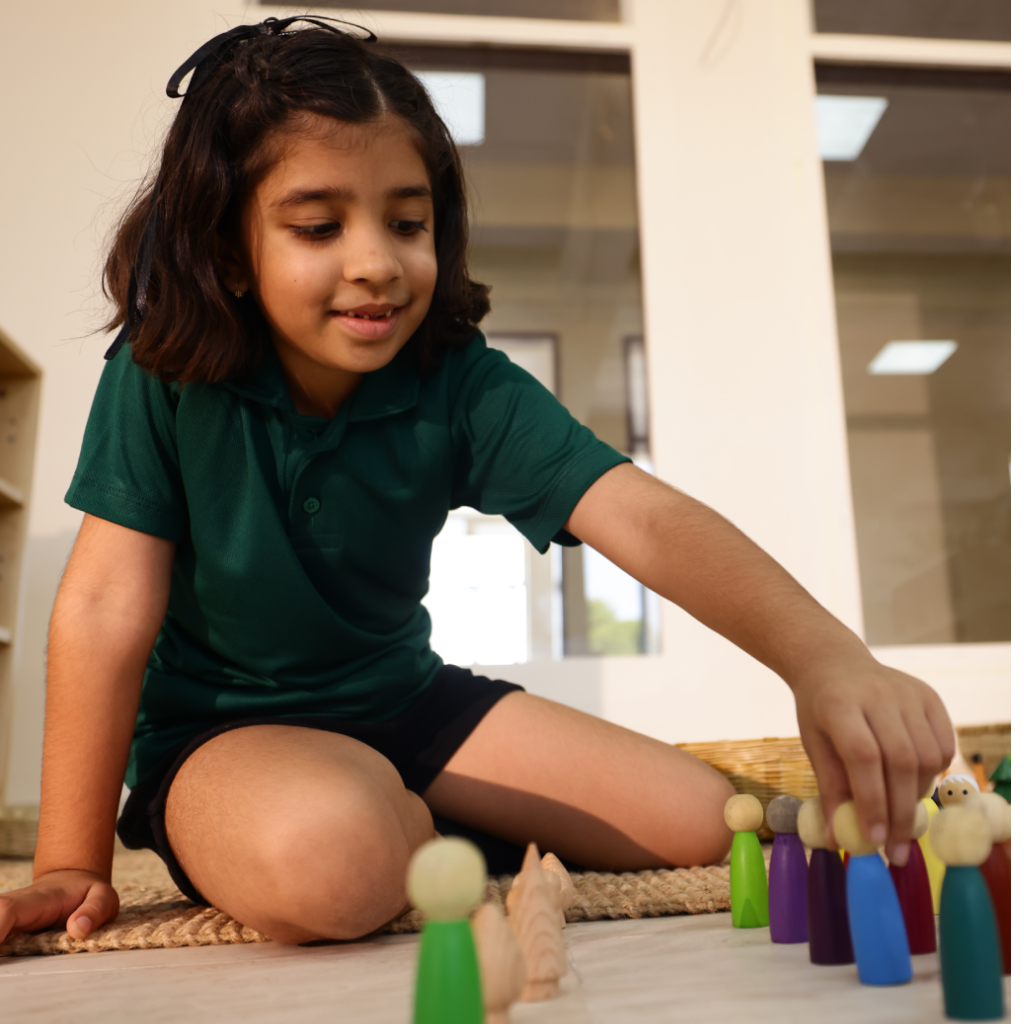
A strong beginning is not about getting ahead. It is about giving children the foundations, relationships and experiences from which everything else can grow.